
Switching to a vegan diet can feel like opening the door to a whole new way of eating, which can be both exciting and a little overwhelming. You may find yourself wondering how to build meals that keep you full, whether you are consuming enough protein, whether it is possible to consume an adequate amount of calcium, or simply what items to purchase from the grocery store.
These questions are completely normal, and with time, patience, planning, and a few learning curves, vegan eating can become simple, exciting, and of course, delicious!
Whether you are making the slow transition to a vegan diet, jumping all the way in, or are a long-term vegan who is looking to brush up on your nutrition and meal planning skills, this Beginner’s Guide to Going Vegan will hopefully help make the transition a little easier. With nutritional information, a simple meal framework, recipe ideas, and tips to keep the transition simple and achievable, this post has a little bit of everything to get you started on this amazing journey.
Quick Guide to Key Nutrients
One of the first things to consider when switching to a vegan diet is how to ensure you are consuming adequate amounts of both macro and micronutrients. The three primary macronutrients are proteins, fats, and carbohydrates, whereas micronutrients include vitamins and minerals. You can get the nutrients you need from a varied and balanced vegan diet3, however, there are certain nutrients that vegans will need to pay a little more attention to and that may require additional supplementation3.
Vitamin B12 supports nerve function, metabolism, protein synthesis, and red blood cell production3,4. Certain fortified foods, such as cereals, nutritional yeasts, plant-based meat alternatives, and plant-based beverages (almond, coconut, soy, oat milk), contain vitamin B12. As vitamin B12 is only found naturally in animal foods, it is common for many people (non-vegans as well), to include this micronutrient in supplement form to ensure they are meeting the recommended daily amounts4.
Calcium supports healthy bones and teeth, as well as nerve and muscle health3,4. Sources of calcium in a vegan diet include green, leafy vegetables (broccoli, cabbage, bok choy, collard and mustard greens), fortified plant-based milks, tofu, plant-based yogurt, legumes (navy beans, chickpeas), as well as nuts and seeds (almonds, Brazil nuts, chia seeds).
Vitamin D helps our bodies regulate and absorb calcium and phosphate, which builds and supports our bone health. This vitamin also supports muscle, nerve, and immune function3,4. Dietary sources of vitamin D include fortified breads and cereals, fortified plant-based milks, and mushrooms. Daily exposure to sunlight is another way to take in this vitamin. Depending on the season and the daily sun exposure in one’s area, it can be difficult to get enough vitamin D from the sun alone, and thus, this is another vitamin that one may want to consider additional supplementation3.
Iron is needed for red blood cells production, energy production, and the support of brain health3,4. Sources of vegan iron include dried fruits (figs, dates, raisins), legumes (black beans, chickpeas, lentils), asparagus, mushrooms, spinach, Swiss chard, nuts and seeds (cashew, pumpkin seeds, sesame seeds), quinoa, and brown rice. Consuming iron-rich foods with vitamin C, as well as avoiding coffee and tea during or after meals, can help to increase absorption3.
Omega-3 fatty acids support healthy skin and eyes, immune function, nervous system development, and heart health3,4. There are a few sources of Omega-3 fatty acids, and not all of them are derived from plants. Alpha-linolenic acid (ALA) is found in plant foods4. Plant-based sources of ALA include chia seeds, flaxseeds, hempseeds, and walnuts.
Docosahexaenoic acid (DHA) and eicosapentaenoic acid (EPA) are found mostly in seafood4. Fish get their DHA and EPA from plants, including seaweed and microalgae, so vegans can consume these nutrients through the same food4. If you find it difficult to get enough DHA, EPA, or ALA through food alone, it may be helpful to consider supplementation for this nutrient as well4.
As a vegan, it is likely that you will be asked to explain where you get your protein from. It is possible to meet, and surpass, one’s daily protein requirement on a fully vegan diet. Plant proteins are a good source of amino acids and are sufficient to achieve complete protein nutrition1. Vegan protein sources include tofu, tempeh, seitan (wheat gluten), beans, lentils, chickpeas, edamame, quinoa, buckwheat, brown rice, and various nuts and seeds.
As noted above, it may be helpful to support a vegan diet with vitamin supplements. Always speak to your doctor or health professional when considering additional supplementation.
It is also important to note that not all supplements are vegan. Some contain animal-based ingredients, such as gelatin, lanolin, collagen, fish oil, shellfish derived-ingredients, bee pollen, and more1. Omega-3s commonly contain fish oil, and vitamin D3, are often derived from lanolin, a waxy substance sheep produce to protect their wool1. Always review the ingredients list before purchasing. Some brands display vegan certifications on their bottles, so keep an eye out for this as well.
Simple Meal Frameworks
When first switching to a vegan diet, planning and preparing meals can take some time and creativity. For many people, meat was the centerpiece of the dish, especially for lunches and dinners. While there are plenty of plant-based protein sources that can easily be swapped in, finding what works best for you may take a bit of experimenting, patience, and a willingness to try new foods.
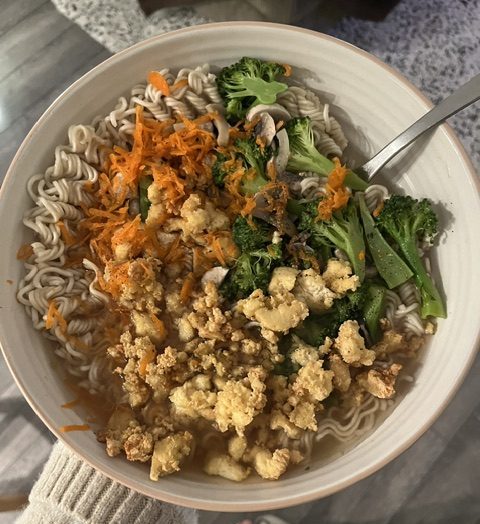
Whether you are new to vegan cooking or are looking for ways to simplify your weekly meal rotation, here is a 4-step framework to help make planning and cooking a little bit easier.
- Pick your base
This may include rice, quinoa, barley, ramen noodles, pasta noodles, lettuce or a combination of these.
2. Pick your vegetables (and fruits)
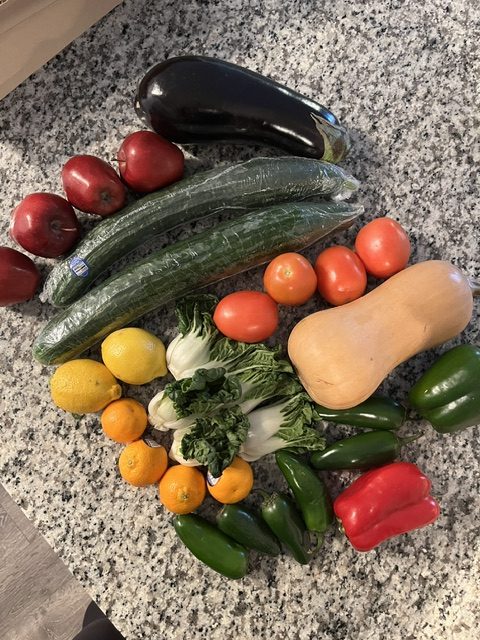
There are endless combinations of vegetables (and fruits) that can be included in a dish. My go-to’s include broccoli, mushrooms, peas, cucumbers, carrots, and edamame. Having a variety of vegetables in your dish helps support your consumption of vitamins and minerals.
3. Pick your protein
Plant-based protein sources include tofu, tempeh, beans, lentils, seitan (wheat gluten), and chickpeas.
4. Pick your sauce
The sauce is an important factor in your meal planning, as it will determine the direction of the dish. For example, adding teriyaki sauce or BBQ sauce to a tofu rice bowl will produce different meals. Some of my favourite go-to sauces include teriyaki, BBQ, chipotle (vegan mayo and sriracha), tomato sauce (for pasta), hoisin, and homemade ranch dressing.
The best part about this framework is that the steps can be decided in any order! Craving tofu? Start with your protein and go from there! Have a few vegetables that need to be eaten right away? Plan your dish with these plants as the stars and build from there.
Meal Ideas for Breakfast, Lunch, Dinner
Once you have a simple framework in mind, it becomes easier to mix and match ingredients into meals that feel satisfying and manageable. If you are looking for some inspiration, here are a few ideas for meals to help get you started.
Breakfasts: oatmeal, chickpea flour omelets, tofu scrambles, chia pudding, smoothies, fancy toasts, or breakfast tacos.
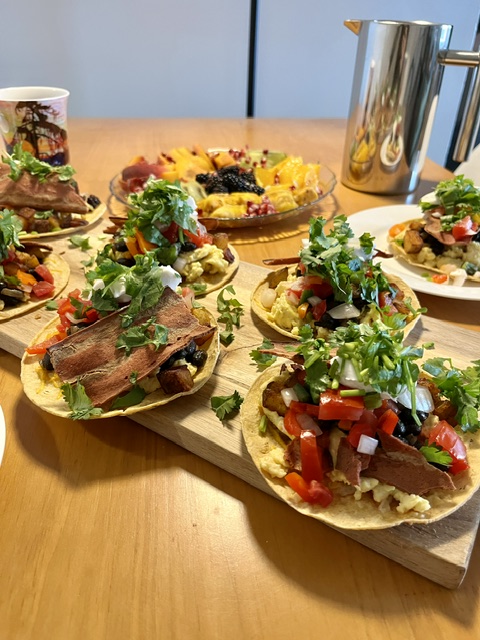
Lunches: chickpea salad sandwiches, black bean and sweet potato wraps, falafel pitas, or deconstructed burrito bowls.
Dinners: chickpea curry, tofu fried rice, bean chili, ramen, lentil bolognese, fettuccini alfredo, or stir fries.
Snacks: vegetables and hummus, dates and peanut butter, trail mix, protein balls, fruit with yogurt, or a vegan charcuterie board (olives, pickles, nuts, seeds, smoked tofu, vegan cheeses, and crackers).
5 Simple Meal Planning Tips
Having a framework in mind and a few recipes is great to get you started, but what happens when you are short on time, energy, or meal ideas? Here are 5 tips to help keep the meal planning transition simple and achievable whether you have hours to cook or need to prepare a meal in a pinch.
- Veganize your favourite meals
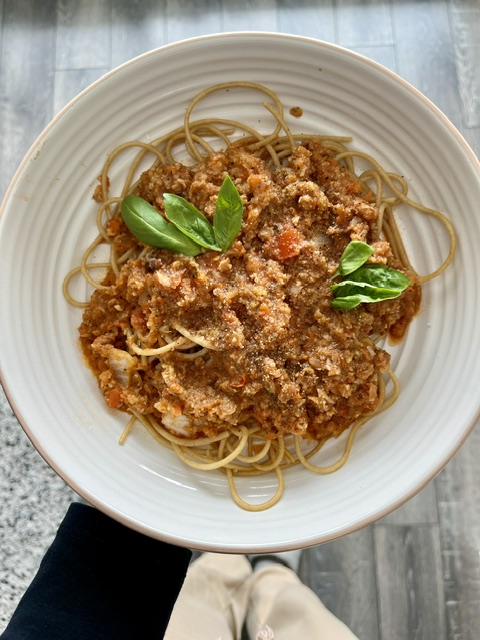
A lot of traditionally animal-based dishes can be made vegan with a few simple swaps. For example, if you love spaghetti, swap the animal products for items like lentils or veggie ground. Curries can be made with tofu or chickpeas, and pitas can be made with falafels or seitan.
Now a days, there are plant-based alternatives for almost everything, including wings, burgers, cheese, and even steaks. Incorporating these alternatives into your meals every now and then can help keep things interesting and easy.
2. Stock Your Pantry
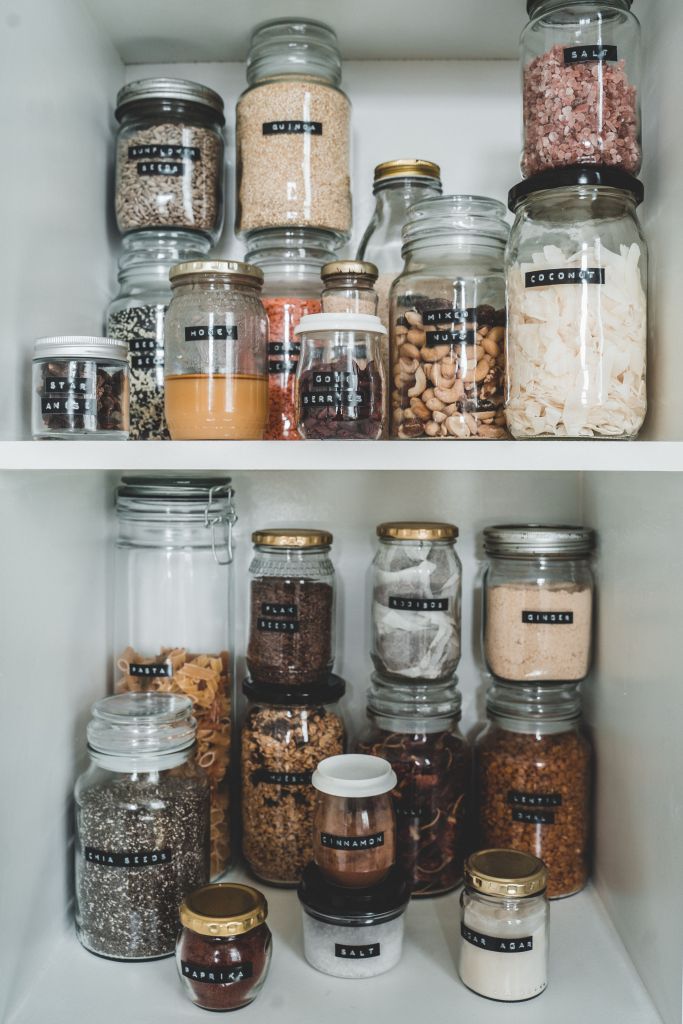
A well-stocked pantry is the secret to stress-free weeknight meals. Whether you’re low on groceries, short on time, or just not in the mood to follow a recipe, having a variety of staples at the ready can help ensure you are well fed. Some of my favourite pantry staples include…
- Pasta & Noodles: from spaghetti to rice to ramen
- Rice, Quinoa & Couscous: excellent base for meals in bowls
- Lentils: red for soups, green for salads, or brown for tacos
- Dried beans & chickpeas: having canned versions on hand as well is helpful if you don’t have time to cook the dried version
- Oatmeal: for a quick and nutritious breakfast
- Coconut Milk: for curries or creamy soups
- Cashews, peanut butter, tahini: great for sauces and spreads
- Sauces: BBQ, sriracha, vegan mayo, soya sauce, sesame oil, hoisin sauce, pasta sauce
3. Stock Your Freezer
In addition to a stocked pantry, having frozen fruit and vegetables staples on hand are also helpful quick and easy meals. Some of my favourite frozen food staples include…
- Edamame: high protein and a delicious addition to any meal
- Peas & corn: very versatile and can be easily added to many dishes for extra protein and plant diversity
- Frozen berries: great for your brain and a great addition to smoothies, oatmeal, and yogurt bowls
- Keep a list of your favourite recipes
When you find a meal that you thoroughly enjoy, write it down! Having a list of meal ideas to refer to when planning your weekly dishes can help reduce energy, time, and the number of trips to the grocery store.
4. Find Recipe Inspiration
There are endless creators online that share and showcase vegan dishes. Whether you are looking for simple weeknight meals, vegan friendly desserts, extravagant dishes, or anywhere in between, there are blog posts, videos, and photos to help keep your meals interesting and varied. A few creators I follow and take meal-spiration from include PlantYou, The Foodie Takes Flight, Rainbow Plant Life, Pick Up Limes, Bosh!, and The Nard Dog Cooks.
Conclusion:
Going vegan does not have to mean having everything figured out from day one. Like any lifestyle change, it takes time to learn what foods you enjoy, what meals keep you satisfied, and what routine is realistic for you. By focusing on balanced nutrition, simple meal frameworks, pantry staples, and recipes that you genuinely enjoy, the transition can become less overwhelming and much more enjoyable. Take it slow, give yourself room to make mistakes, and remember that every plant-based meal is a meaningful step for your health, the environment, and of course, the animals.
References
- Fontaine, A. (2024, January 16). Animal Ingredients to Watch Out for in Supplements as a Vegan. Alyssa Fontaine. https://alyssafontaine.com/animal-products-in-supplements/
- Langyan, S., Yadava, P., Khan, F. N., Dar, Z. A., Singh, R., & Kumar, A. (2022). Sustaining Protein Nutrition Through Plant-Based Foods. Frontiers in nutrition, 8, 772573. https://doi.org/10.3389/fnut.2021.772573
- NHS. (2022). The vegan diet. In nhs.uk. https://www.nhs.uk/live-well/eat-well/how-to-eat-a-balanced-diet/the-vegan-diet/
- Six Critical Nutrients for Healthy Vegan Eating – IFIC. (2023, February 23). IFIC. https://ific.org/resources/articles/6-nutrients-vegans-might-not-be-getting-enough-of/?gad_source=1&gad_campaignid=22826756600&gclid=cjwkcajwyozsbhbteiwamxvj-urjgfsuwtks9gnm8kvcc4cuqycym7k5ddsjll-mtr8v8frlsyfcproc8wkqavd_bwe


Leave a Reply